

 infoupdate.org ```html
 Introduction: Building a Simple DIY Birdhouse
Are you looking for a fun and rewarding project that benefits your local wildlife? Building a birdhouse is a great way to attract birds to your yard and provide them with a safe nesting place. This guide will walk you through the steps of creating a simple, effective DIY birdhouse using readily available materials.
Materials You'll Need:
- Untreated lumber (pine or cedar are good choices)
- Measuring tape
- Pencil
- Saw (hand saw or power saw)
- Drill with various sized drill bits
- Screws or nails
- Sandpaper
- Optional: Exterior paint or wood sealant
Step 1: Planning and Cutting the Wood
First, decide on the size of your birdhouse. A good starting point for a small birdhouse is a base of 6x6 inches and a height of 8-10 inches. Consider the types of birds you want to attract; different species prefer different sized entrances. Here are the typical dimensions you might use:
- Front: 6" wide x 10" tall
- Back: 6" wide x 12" tall (the extra length allows for roof overhang)
- Sides (2): 6" wide x 8" tall
- Bottom: 6" wide x 6" deep
- Roof (2): 6" wide x 7" deep (allows for overhang on front and back)
Step 2: Assembling the Birdhouse Body
Begin assembling the birdhouse by attaching the sides to the bottom piece. Use screws or nails to secure the wood together. Next, attach the front and back pieces. Ensure all sides are flush and the corners are square. Pre-drilling pilot holes before inserting screws will help prevent the wood from splitting.
Step 3: Creating the Entrance Hole and Ventilation
Determine the appropriate size entrance hole for the birds you want to attract. A 1 1/2" diameter hole is suitable for many common backyard birds. Use a drill with a hole saw bit or a standard drill bit to create the entrance hole in the front piece, positioned near the top. Drill a few small ventilation holes in the sides of the birdhouse, near the top, to allow for air circulation.
Step 4: Attaching the Roof
Attach the roof pieces to the top of the birdhouse. Ensure there is an overhang in the front and back to protect the entrance from rain. Secure the roof pieces with screws or nails. If desired, create a slight angle on the roof for better water runoff.
Step 5: Sanding and Finishing (Optional)
Use sandpaper to smooth any rough edges and splinters. This is especially important around the entrance hole to prevent injury to the birds. If you choose to paint or seal the birdhouse, use exterior-grade, non-toxic products. Light colors are generally preferred as they reflect heat. Avoid painting the inside of the birdhouse.
Step 6: Mounting the Birdhouse
Decide where you want to mount your birdhouse. Choose a location that is sheltered from strong winds and direct sunlight. Mount the birdhouse on a pole, tree, or building using appropriate hardware. Ensure the birdhouse is securely attached. A predator guard may be added to the mounting pole to prevent access by squirrels or cats.
Conclusion: Enjoying Your Birdhouse
Congratulations, you've built a DIY birdhouse! Now, sit back and enjoy watching the birds move in and raise their young. Regularly clean out the birdhouse at the end of each nesting season to prepare it for new tenants the following year. With a little effort, you've created a safe and welcoming haven for birds in your backyard.
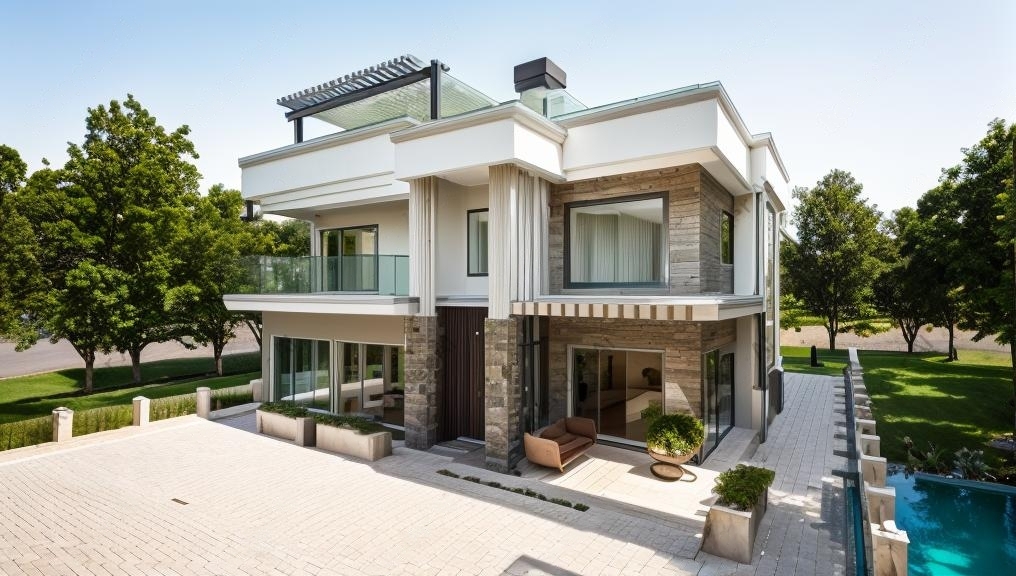
``` 4 Bedroom Flat Roof House Designs In Kenya Africa
infoupdate.org 4 Bedroom Flat Roof House Plan
 muthurwa.com
 4 Bedroom Modern Flat Roof House
 housedesignplansz.blogspot.com


